Pain Neuroscience and Pain Management: Rethinking How Physiotherapy Treats Pain

Pain is one of the most common reasons patients seek physiotherapy, yet it remains one of the most misunderstood clinical experiences. Advances in pain neuroscience are changing how clinicians understand, assess, and manage pain. By integrating neuroscience with evidence-based physiotherapy, pain management is becoming more precise, patient-centered, and effective.
Understanding Pain Through Neuroscience
Pain is not simply a result of tissue damage. Modern pain neuroscience shows that pain is produced by the nervous system as a protective response. Factors such as emotions, beliefs, stress, and previous experiences all influence how pain is perceived.
Pain neuroscience education helps patients understand the difference between pain and injury. When patients learn how the brain processes pain signals, fear and avoidance behaviors often reduce, leading to improved movement, function, and rehabilitation outcomes.
Central Sensitization and Persistent Pain
Central sensitization is a key concept in chronic pain management. It occurs when the nervous system becomes hypersensitive, amplifying pain signals even in the absence of ongoing tissue damage. Conditions such as chronic low back pain, fibromyalgia, and persistent neck pain are strongly linked to altered pain processing.
Physiotherapists trained in pain neuroscience can identify signs of central sensitization and adapt treatment strategies accordingly. This approach shifts care away from purely structural explanations toward a more comprehensive, biopsychosocial model of pain.
Evidence-Based Pain Management in Physiotherapy
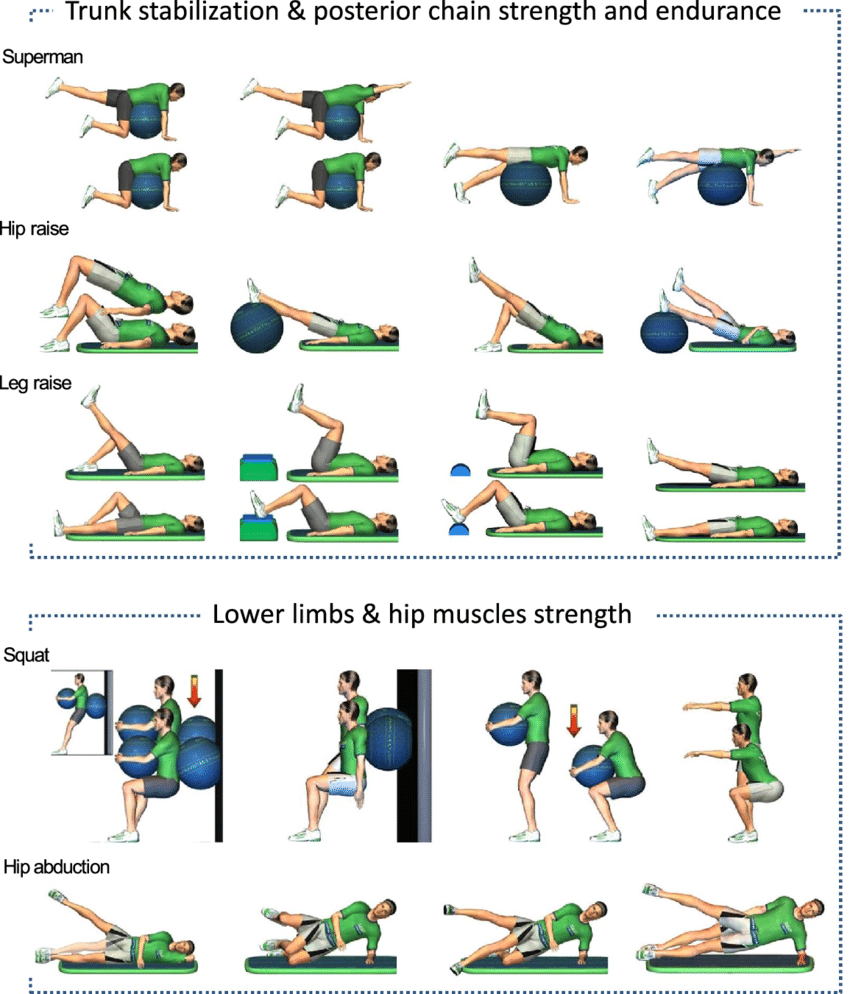
Modern pain management in physiotherapy combines neuroscience-informed education with active rehabilitation. Effective pain treatment focuses on restoring confidence in movement rather than avoiding pain altogether.
Key components include:
* Pain neuroscience education for patient empowerment
* Graded exposure and progressive loading
* Movement-based therapy and exercise prescription
* Cognitive and behavioral strategies within physiotherapy care
* Manual therapy as a supportive, not standalone, intervention
This integrated approach improves long-term outcomes and reduces dependency on passive treatments.
Managing Chronic Pain Across Rehabilitation Settings
Pain neuroscience plays a critical role in managing chronic pain across musculoskeletal, neurological, sports, and post-surgical rehabilitation. Understanding how pain is modulated by the nervous system allows physiotherapists to tailor interventions for complex pain presentations.
In sports rehabilitation, neuroscience-informed pain management supports safe return to activity. In neurological and geriatric rehabilitation, it helps balance pain control with functional recovery and independence.
The Role of Education in Pain Recovery
Education is one of the most powerful tools in pain management. When patients understand that pain does not always mean harm, they are more likely to engage in rehabilitation programs. Pain neuroscience education has been shown to reduce pain-related fear, catastrophizing, and disability.
Physiotherapists play a central role in translating complex neuroscience concepts into practical, patient-friendly language that supports recovery.
The Future of Pain Management in Rehabilitation Medicine
Pain neuroscience continues to influence clinical guidelines and physiotherapy education worldwide. Future pain management strategies will increasingly integrate neuroscience, exercise therapy, digital health tools, and interdisciplinary collaboration.
By embracing pain neuroscience, rehabilitation professionals can deliver more effective, ethical, and sustainable pain care that prioritizes function, resilience, and quality of life.
Advancing Pain Science Through Global Collaboration
International conferences and scientific forums are essential for sharing advances in pain neuroscience and rehabilitation research. They provide opportunities for clinicians, researchers, and educators to exchange knowledge, refine clinical practice, and improve global standards in pain management.
Pain neuroscience and pain management are no longer optional topics in physiotherapy. They are fundamental to delivering modern, evidence-based rehabilitation care.
---
Keywords:
Pain neuroscience, pain neuroscience education, pain management physiotherapy, chronic pain rehabilitation, central sensitization, evidence-based pain management, physiotherapy pain treatment, neuroscience-informed rehabilitation, modern pain management