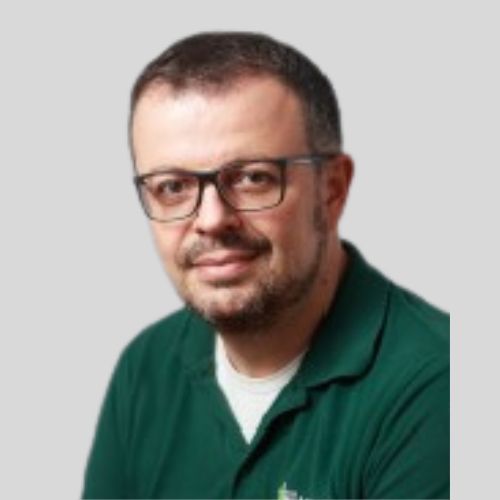
Srdjan Andjelkov
University of Belgrade
A physical therapist with 20 years of clinical and teaching experience and D.O., specializing in manual and osteopathic therapies Former lecturer in the University of Belgrade for Manual therapy diagnostic methods and Manipulative techniques. Trained in Cyriax orthopedic medicine,Mulligan Concept,McKenzie,Pnf,Dry needling and Spinal manipulations across Europe. Graduate osteopathy in Italy Osteopathic School.Published over 20 scientific papers and presented at numerous international congresses, covering topics like manual therapy for disc herniation, TMJ disorders, and advanced diagnostics. Dedicated to combining evidence-based practice with innovative rehabilitation approaches for optimal patient outcomes.
Serbia
Abstracts
Bridging Osteopathy and Physiotherapy:The Diaphragm’s Role in Posture and Lumbar Pain
Background
Low back pain (LBP) is one of the most common musculoskeletal conditions
and a major cause of functional limitation. Contemporary evidence indicates that LBP arises
from interactions among respiratory, neuromuscular, and postural systems rather than purely
biomechanical factors. The diaphragm plays a central role in this relationship by contributing to
intra-abdominal pressure regulation, spinal stability, and postural control. Dysfunction—such as
restricted diaphragmatic movement, altered rib mechanics, or increased reliance on accessory
breathing muscles—can compromise trunk stability and heighten pain sensitivity. Individuals
with LBP often display paradoxical breathing, limited coordination between respiration and
movement, and excessive activation of superficial muscles. These insights support an integrated
osteopathic–physiotherapy approach.
Methods
A combined intervention model was used. Assessment included breathing pattern analysis,
lumbopelvic control during functional tasks, rib cage mobility, deep stabilizer activation, and
pain intensity (VAS).
Physiotherapy interventions:
• diaphragmatic breathing retraining,
• core stabilization of deep segmental muscles,
• postural and movement re-education,
• functional strengthening to improve endurance.
Osteopathic manual therapy interventions:
• diaphragmatic release,
• rib and costovertebral mobilization,
• myofascial release of respiratory chains,
• muscle energy techniques (MET) for lumbar spine and pelvis,
• balanced ligamentous tension (BLT).
Results
Patients demonstrated improved diaphragmatic activation, better breathing efficiency, and
enhanced lumbopelvic stability. Compensatory use of superficial trunk muscles decreased, while
coordination of deep stabilizers improved. Functional tasks such as bending, lifting, and
prolonged sitting were performed with less fatigue. Pain intensity on the VAS scale reduced
significantly, and overall functional capacity increased.
Conclusion
The diaphragm is a key postural structure that significantly influences lumbar pain and trunk
control. Integrating osteopathic manual therapy with physiotherapy provides a comprehensive
and effective strategy for improving respiratory mechanics, core stability, and movement quality.
This interdisciplinary approach supports long-term recovery and reduces recurrence of low back
pain.
Featured 2026 Speakers
Speakers of The Club
.jpg)
Dr. Tami J Recesso
Recesso Physical Therapy, LLC
Dr. John Whyte
Jefferson Moss Rehabilitation Research Institute
.jpg)
Gordana Poscic
ICLTA®, HUPNF
Prof. Alessandro Urbani
Fonder of ALTERMEDICA Center in Rome
.jpg)
Dr. Sue Ann Sisto
University at Buffalo
.jpg)
Dr. Konrad J. Dias
California State University
.jpg)
Ron Blehm
EEI Physical Wellness Institute
.jpg)
Shelly Denes
Denes Physical Therapy Consulting LLC
.jpg)
Susanne Reimann
Osteopath/Physiotherapist
Dr. Krsto Kovacevic
Public Institution Nursing Home Podgorica
.jpg)
Dr. Rachid El Khoury
Saint Joseph University
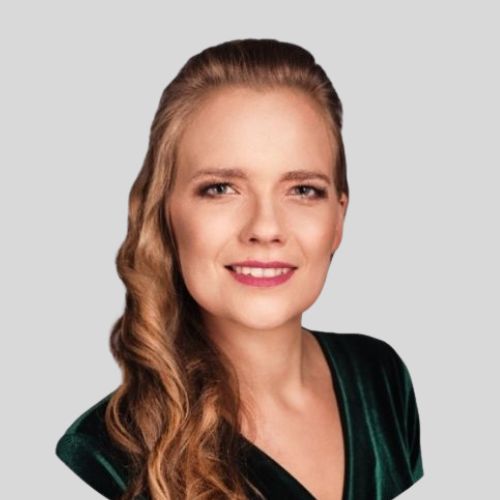
Dr. Anna Malwina Kamelska-Sadowska
University of Warmia and Mazury in Olsztyn
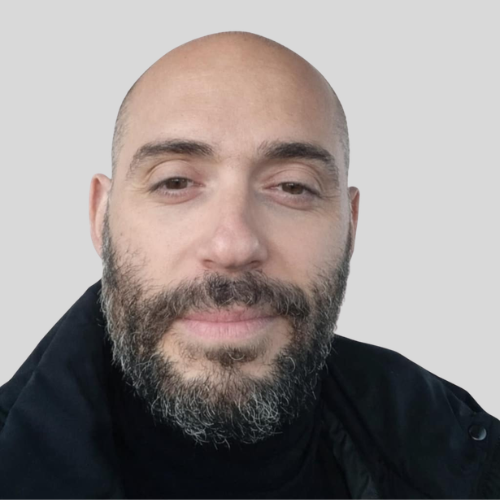
Evangelos Diamantopoulos
University of the Peloponnese
Ciprian Gospodin
Clinical Director & Specialist Musculoskeletal Physiotherapist
.jpg)
Maksymilian Celotti
Physiotherapist | Osteopath | Manual Therapist Independent Practitioner
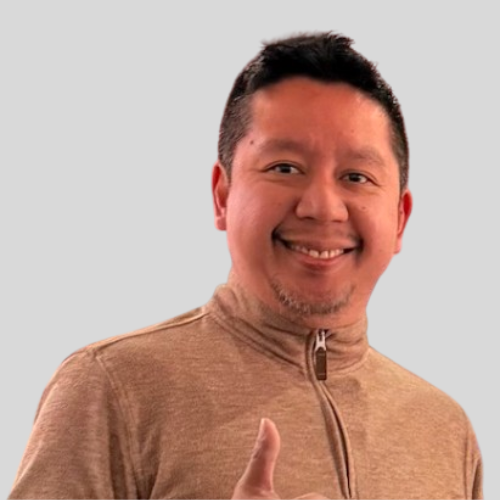
Dr. Vincent Sto Tomas
KINESIOWORKS PHYSICAL THERAPY